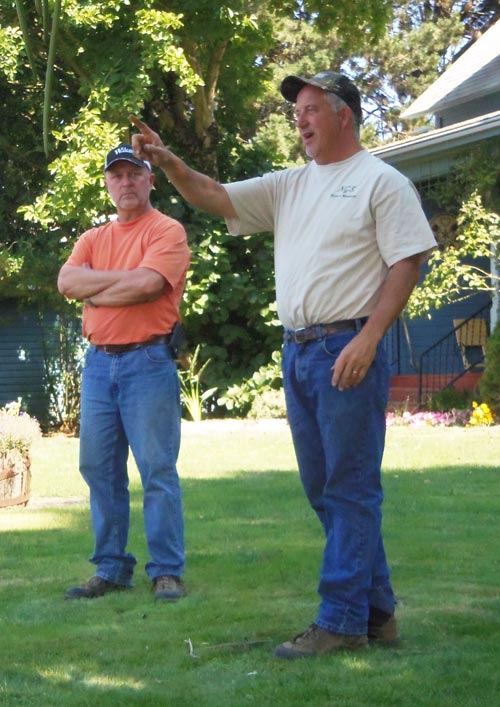
By Melissa Wagoner
The weather is always a hot topic, but this year as an unseasonably dry summer follows an unusually warm winter with little snowpack, many Oregonians are wondering what it means for some of Oregon’s crops.
One, hazelnuts, has seen an increased number of plantings in recent years.
Aman Brothers, LLC supplies around 800 acres of new trees to farmers around Oregon each year, and brothers Tim, Kevin and Tom have extensive knowledge of what effects the climate is having on this crop. Fortunately, thus far, the effects have been positive.
“The crop yield looks to be up this year and with some dry spells we had in winter (the time that hazelnuts actually pollinate) we had good pollination,” Tim Aman said. “The biggest affect is the harvest date. Temperature drives maturity in hazelnuts so we will be harvesting the hazelnuts three plus weeks earlier than normal.”
Hazelnut growers are also lucky when it comes to irrigation. Unlike the almond growers of California, where the drought is more severe, hazelnuts do not need much water.
“Most of the mature orchards are dryland and do not get watered,” Aman said. “Some farmers, such as ourselves, have irrigation we apply with handline sprinklers or big gun hard hose sprinklers and will water typically once in the summer.”
Many of the new orchards, however, use more frequent irrigation while the trees become established. Aman added most farmers make use of micro emitter or micro drip technology.
“Some designs use one gallon per minute per acre based on the number of emitters. So the newest orchards with this technology will water two to four times per month from late June through August and then turn it off to let the trees harden off for winter,” Aman said.
Even with a drought tolerant crop, Aman still keeps an eye on the weather and receives daily forecasts.
“I have found that over the years, weather wise, whenever we have extremes of temperature and or moisture, over the cycle of time, they tend to balance out,” Aman said. “We live in a system that has counter balances that keep us from extremes.”