Oregon State Parks set a record of nearly 54 million visitors in 2024, according to an annual report released by state officials.
Oregon’s total of 53,850,000 visits broke the 2021 record by about 200,000, the report says. The 3 percent increase was mainly felt at coastal parks such as Harris Beach, Sunset Bay, Samuel Boardman and Oswald West, but Silver Falls also contributed to the uptick.
Camping and overnight visits statewide were down slightly in 2024 to 2.83 million camper nights. State parks officials said the decline was due in part to construction closures at popular locations such as Beverly Beach, Bullards Beach and Nehalem Bay.
At Silver Falls State Park, day use was up about 130,000 from 1,450,560 to 1,579,700. Silver Falls is the third most visited park in the system, behind Harris Beach (1,997,927) and Sunset Bay (1,724,180). Silver Falls also added some new amenities in the North Canyon Trailhead area that helped boost the numbers.
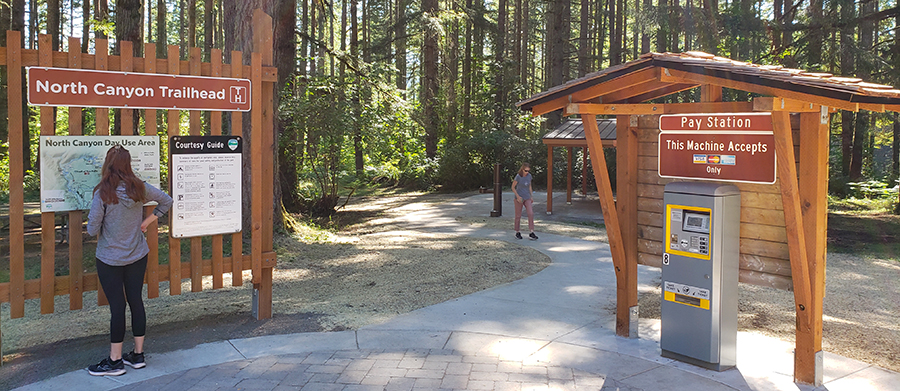
Park officials have installed a new parking lot and pay station at the North Canyon Trailhead, which features a new ADA-accessible trail and links to North Falls and the Canyon Trail. In addition to the other upgrades the North Canyon’s nature play area also has reopened. A new visitor center and campground in the area should go online by late 2026. Silver Falls also is opening a new nature store and café in the Silver Falls day-use area and has upgraded campsites, streets and restrooms in the main campground.
The 2024 numbers for Detroit Lake State Recreation Area were down slightly for both day use and camping. Day-use visits reached 121,452 in 2024, about 2,500 below the 2023 figure. Camping numbers were at 97,919, about 1,500 behind the 2023 total.
In addition to the camping and day-use figures, state officials noted that the rising cost of operations and maintenance have outpaced revenue by more than 30 percent in recent years. Oregon State Parks increased parking and camping fees this year and will continue to look at fees during the next two years to help balance the budget. Most of the fees had not been increased in from seven to 15 years, according to state parks officials.
“Raising fees is not a long-term solution. We need to talk about what Oregonians want for the future of Oregon State Parks and how do we, as a state, make sure they’re sustainably funded for current and future generations,” said state parks director Lisa Sumption in a press release accompanying the report.
Oregon State Parks does not receive general fund tax dollars for operations. The system is paid for by recreational vehicle fees, the state lottery and revenue from camping and parking. In its annual report parks officials noted some of the challenges:
• One busy park needs nearly a semi-truck load of toilet paper per year for visitors.
• More than one-third of park restroom facilities are 50 years old or older, which require more care and maintenance with higher use. The cost to replace a restroom/shower building is now more than $1 million.
Parks serve as many as 17,000 campers per night in the busy season, which is the equivalent of moving a city roughly the size of Stayton and Silverton combined in and out of campgrounds almost daily.
About the numbers
The Oregon State Parks overnight camping figures are derived by taking the total number of occupied sites and applying a multiplier to estimate the number of camper nights. The day-use figure comes from taking car counts and applying a multiplier to estimate the number of visits. Car counters sometimes require maintenance and replacement, which can impact individual numbers. The overall results are OPRD’s best estimate for tracking trends over time.
– James Day